
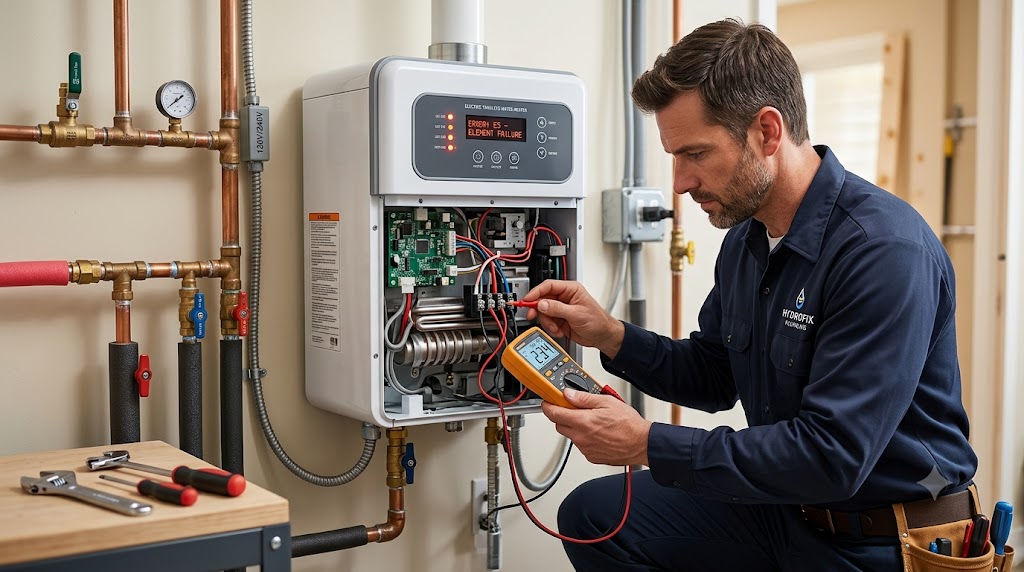
Every electric tankless brand, not just Rheem, deals with the same handful of recurring complaints once you read enough verified reviews across the category. Understanding which problems are specific to one unit versus which are simply inherent to the technology helps you set realistic expectations no matter which brand you eventually choose.
The most common electric tankless water heater problems across brands include inconsistent water temperature (often tied to undersized electrical capacity or cold groundwater), heating element failures (frequently linked to hard water mineral buildup), and error codes triggered when demand exceeds the unit’s configured capacity. These issues appear across multiple manufacturers’ review data, not just one specific model, suggesting they’re largely inherent to how electric tankless technology works rather than brand-specific defects.
Temperature Inconsistency Is a Category-Wide Issue
Whether you’re looking at the Rheem RTEX-24, EcoSmart’s ECO lineup, or Stiebel Eltron’s Tempra series, temperature inconsistency complaints show up in verified reviews across all of them. This isn’t coincidental, it reflects the core physics of electric tankless heating: these units have a fixed power budget, and when demand (flow rate times required temperature rise) exceeds what that budget can support, output temperature drops.
The practical implication is the same regardless of brand: correct sizing for your specific household and climate matters more than which manufacturer’s logo is on the unit.
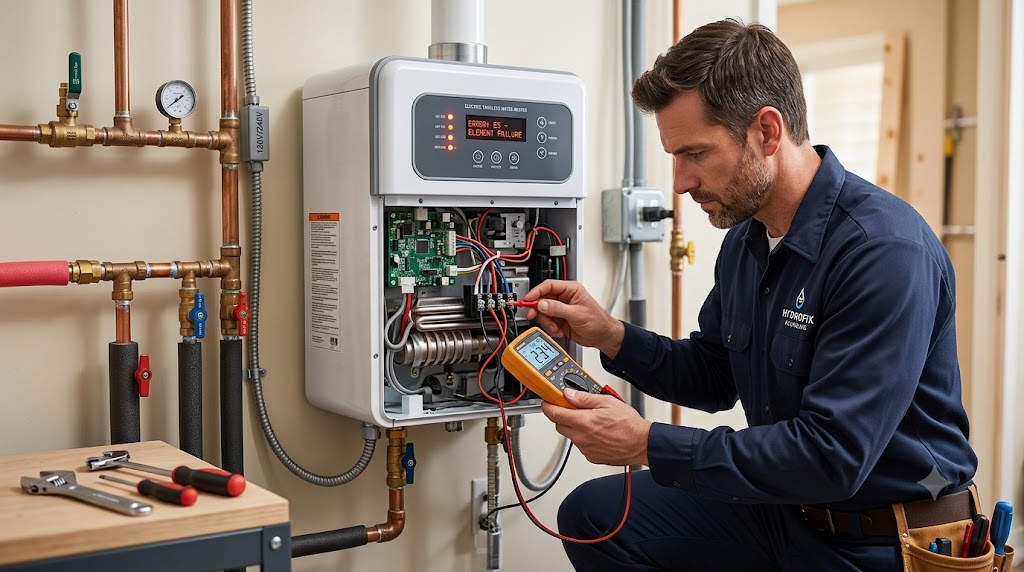
Heating Element Failure Is a Known Category Weakness
Electric tankless units rely on heating elements submerged directly in the water flow, which makes them vulnerable to mineral scale buildup in hard water areas. This is a well-documented weakness across the category, not specific to any single brand. Regular descaling maintenance (typically an annual vinegar or dedicated descaling solution flush) significantly extends element life regardless of which brand you own.
Detailed reviews of the Rheem RTEX-24 specifically document element failures within the first year in some cases, while similar patterns appear in reviews of competing brands as well, reinforcing that this is a category-wide maintenance consideration rather than a single manufacturer’s design flaw.
Electrical Installation Complexity Applies Universally
Every whole-home electric tankless unit in this category, Rheem, EcoSmart, Stiebel Eltron, requires multiple double-pole breaker circuits and substantial household electrical capacity. Complaints about installation difficulty, unexpected electrician costs, and panel capacity surprises show up across all these brands’ review sections, because the underlying electrical demand is comparable across units of similar power rating.
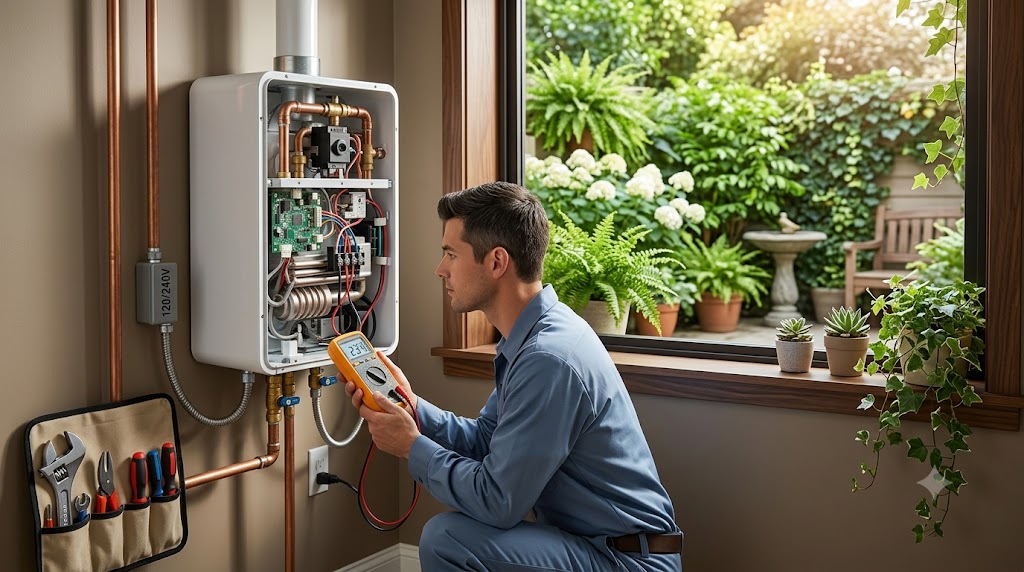
Error Codes Reflect Demand Exceeding Capacity
Error codes like the E5 code documented in RTEX-24 reviews generally indicate the unit is being asked to do more than its current configuration supports, whether due to flow rate, temperature rise demand, or electrical supply limitations. This pattern holds across brands: error codes are more often a signal of a mismatch between demand and capacity than evidence of a defective unit.
How to Avoid These Problems Regardless of Brand
A few practices meaningfully reduce your risk of encountering these common problems no matter which electric tankless brand you choose: get a proper sizing assessment that accounts for your household’s peak simultaneous demand and your local groundwater temperature; ensure electrical installation is completed by a licensed electrician with verified adequate panel capacity; and establish a regular descaling maintenance routine, especially important in hard water regions.
For problems specific to the Rheem RTEX-24, including documented reviewer experiences, see our dedicated RTEX-24 problems guide.
Rheem RTEX-24 24kW 240V Electric Tankless Water Heater - Check Current Price on Amazon
The Bottom Line
Temperature inconsistency, heating element failure, and installation complexity are category-wide challenges for electric tankless water heaters, not defects unique to any single brand. Correct sizing, professional electrical installation, and regular maintenance meaningfully reduce your risk regardless of which unit you choose.
Frequently Asked Questions
What problems do all electric tankless water heaters share? Temperature inconsistency (tied to sizing and groundwater temperature), heating element failure (often linked to hard water), and complex electrical installation requirements are common across the entire category, not specific to one brand.
Why do electric tankless water heaters fail more in hard water areas? Heating elements sit directly in the water flow, and mineral scale from hard water builds up on them over time, which is a documented cause of premature element failure across the category.
Are these problems specific to Rheem, or do other brands have them too? These issues appear across multiple manufacturers’ review data, including competing brands, suggesting they’re largely inherent to electric tankless technology rather than specific to any single company.
How can I reduce the risk of temperature inconsistency? Correct sizing for your household’s peak demand and local groundwater temperature is the most effective way to avoid this issue, regardless of which brand you choose.
Does regular maintenance really help prevent element failure? Yes, regular descaling, especially in hard water areas, significantly extends heating element life across all electric tankless brands.
Is electrical installation complexity the same for every electric tankless brand? Generally yes, for units of similar power rating. Multiple double-pole breaker circuits and substantial household electrical capacity are standard requirements across most whole-home electric tankless heaters.
What does an error code usually mean on an electric tankless heater? Most error codes signal that current demand (flow rate, temperature rise, or electrical supply) exceeds what the unit’s configuration can support, rather than indicating a random defect.
Should I avoid electric tankless water heaters because of these problems? Not necessarily. These are manageable risks with correct sizing, proper installation, and routine maintenance. Millions of households successfully use electric tankless systems across multiple brands.
Do premium brands have fewer of these problems? Not necessarily eliminated entirely, but premium brands sometimes report stronger review scores overall, which may reflect build quality differences, though the fundamental technology limitations apply across the category.
What’s the single most important step to avoid electric tankless problems? Correct sizing for your household’s actual peak demand and local groundwater temperature, paired with professional electrical installation, addresses the root cause of most commonly reported issues.
References
- Verified Amazon customer reviews and aggregated review data across Rheem RTEX-24 and competing electric tankless brands, accessed July 2026: https://www.amazon.com/dp/B01MS9DVEE
- Home Depot customer review data across multiple electric tankless water heater brands, accessed July 2026